
Maintaining a car for long-term reliability requires consistent attention to routine maintenance and following the manufacturer’s recommended service schedule. Regular car maintenance, such as oil changes, tyre checks, and brake inspections, plays a vital role in preventing costly breakdowns and extending the vehicle’s lifespan.
Keeping a detailed service history helps track completed tasks and plan future maintenance more effectively. The most important factor for long-term car care is adhering to a strict maintenance schedule to ensure all necessary checks and replacements are performed on time.
Attention to small details, like fluid levels and filter changes, also contributes to overall reliability. By prioritising regular car care tips within a maintenance routine, owners can keep their vehicles running smoothly for years.
Essential Routine Maintenance for Long-Term Reliability
Maintaining a vehicle’s reliability requires attention to engine oil condition, all critical fluids, and timely filter replacements. Following prescribed service schedules helps identify wear and prevent breakdowns, ensuring consistent performance over the years.
Oil Changes and Engine Oil Checks
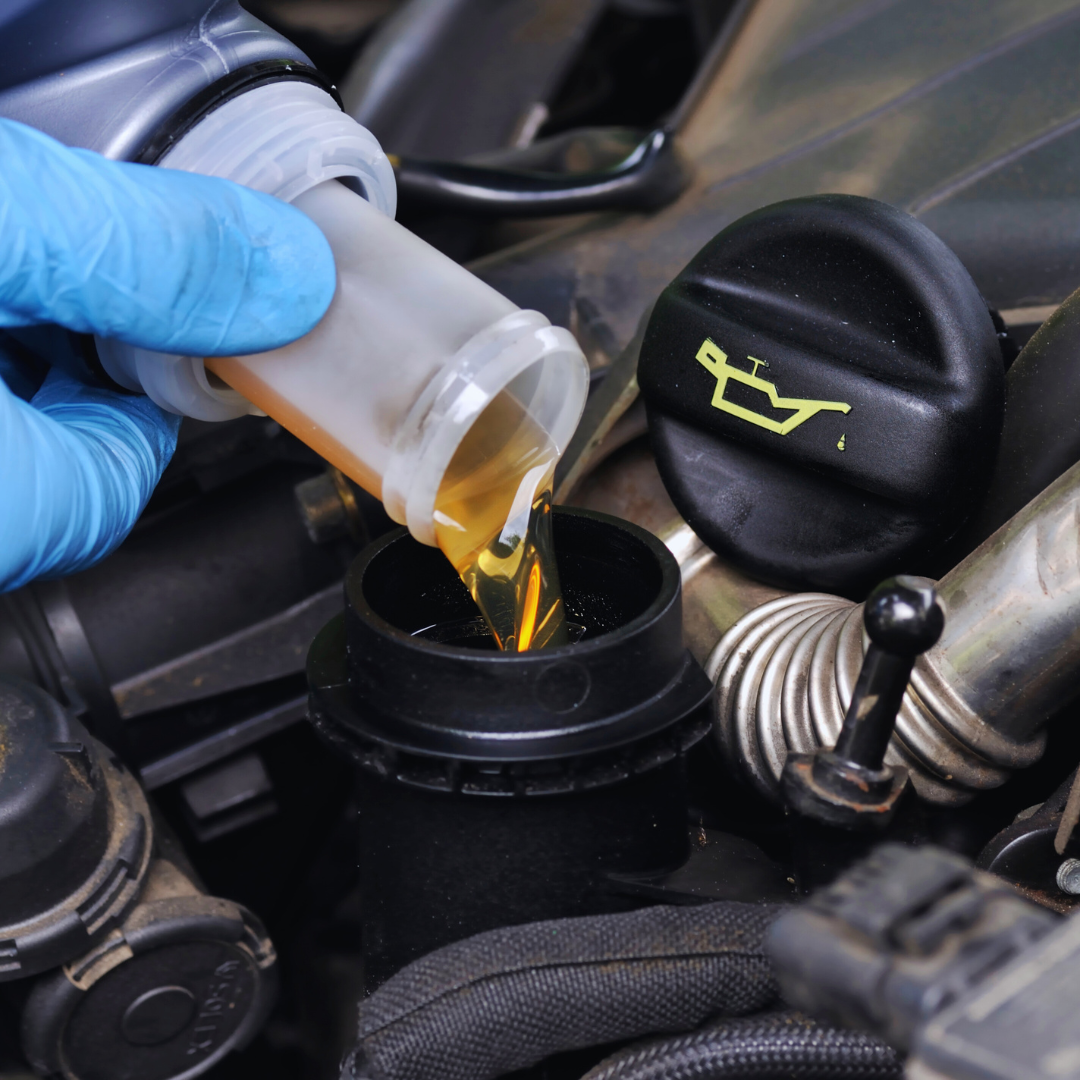
Regular oil changes are fundamental to engine health. The engine oil lubricates internal components, reducing friction and preventing overheating. Engine oil quality diminishes over time, so changing it according to the manufacturer’s recommendation is crucial.
Checking oil levels frequently can prevent running on insufficient oil, which risks severe engine damage. Using the correct type of motor oil, whether synthetic or conventional, is vital to maintain viscosity and protection. Additionally, oil filter replacement during oil changes ensures contaminants do not recirculate, keeping the oil cleaner longer.
Fluid Inspections and Top-Ups
Routine fluid checks are essential for maintaining safe and efficient operation. The levels of coolant, power steering fluid, brake fluid, and screenwash must all be monitored regularly.
Coolant should be checked at the coolant reservoir for correct levels and concentration to prevent engine overheating and corrosion. Brake fluid affects stopping performance and requires regular monitoring due to moisture absorption. Power steering fluid maintains steering ease, while screenwash keeps the windscreen clear for visibility. Top up fluids as needed and replace them according to the car’s service schedule.
Filter and Air Filter Replacement
Filters prevent dirt and debris from damaging engine components and affecting performance. The air filter should be inspected and replaced to ensure proper airflow to the engine, optimising fuel efficiency and power.
Fuel filters protect the fuel system from contaminants that can clog injectors or carburettors. Ignoring air and fuel filter replacement can reduce engine efficiency and cause premature wear. The oil filter must be replaced alongside the oil to trap particles and contaminants, maintaining engine cleanliness.
Regular Service Schedules
Adhering to the manufacturer’s service schedule is key to identifying potential issues early. These scheduled car services typically include inspections of brakes, tyres, and suspension, plus oil and filter changes.
Keeping a detailed service history helps maintain warranty coverage and supports vehicle resale value. Following maintenance schedules based on time or mileage ensures all components are maintained in good working order, minimising unexpected repairs. Regular servicing also allows professionals to update parts like belts and spark plugs before failure occurs.
Tyre Health and Brake System Care
Maintaining tyre condition and brake system functionality is essential for safety and long-term car reliability. Regular attention to tyre pressure, tread depth, rotation, and wheel alignment, alongside brake components like pads and rotors, prevents premature wear and costly repairs.
Tyre Pressure and Tread Depth Checks
Tyre pressure directly affects fuel efficiency, handling, and safety. It should be checked monthly using a reliable tyre pressure gauge. The recommended PSI is found in the owner’s manual or inside the driver’s door frame. Both underinflation and overinflation cause uneven tread wear.
Checking tread depth is equally important. The minimum legal tread depth in the UK is 1.6mm across the central three-quarters of the tyre. Use a tread depth gauge or the 20p coin test to ensure compliance. Low tread reduces grip, especially on wet roads, raising accident risk.
Some modern vehicles feature Tyre Pressure Monitoring Systems (TPMS) that alert drivers to pressure drops, but manual checks remain necessary for accuracy.
Tyre Rotation and Wheel Alignment
Tyre rotation balances wear and extends tyre life by swapping tyre positions according to the vehicle’s drivetrain. For front-wheel-drive cars, rotating front tyres to the rear and vice versa every 8,000 to 12,000 miles is standard. This prevents uneven wear and maintains consistent handling.
Wheel alignment checks should occur annually or after any impact with potholes or kerbs. Misalignment causes uneven tyre wear and steering difficulties, increasing fuel consumption. A professional alignment adjusts camber, caster, and toe angles to manufacturer specifications, ensuring tyres contact the road properly.
Brake Pad and Rotor Maintenance
Brake pads and rotors are critical for safe and effective braking. Pads should be inspected every 10,000 miles for wear. Typical replacement is necessary when the pad thickness is less than 3mm to avoid metal-on-metal contact, which damages rotors.
Rotors can warp or become scored over time, causing vibration during braking. Measuring rotor thickness against the manufacturer’s minimums prevents failure. Brake callipers must also be checked to ensure even pad wear and proper movement.
Brake fluid plays a vital role in braking performance; it should be replaced every two years or as recommended. Contaminated fluid absorbs moisture, reducing braking efficiency and causing corrosion within the system.
Battery, Belts, and Electrical System Upkeep
Proper care of the car’s battery, belts, and electrical components is essential for preventing breakdowns and ensuring smooth operation. Regular inspections and timely maintenance keep these systems functioning reliably and extend their service life.
Battery Maintenance and Trickle Chargers
The battery terminals must be clean and free from corrosion to ensure a good electrical connection. Checking terminals monthly for white or greenish deposits and using a wire brush to clean them prevents starting issues. Battery fluid levels should be monitored if the battery is not sealed.
A trickle charger is useful for vehicles driven infrequently. It maintains a consistent charge without overcharging, preventing battery sulphation and extending battery life. The charger should match the car battery’s voltage and allow for safe overnight use.
Belt and Hose Inspections
Belts such as the serpentine and timing belts experience wear and should be inspected every 10,000 miles or as per manufacturer guidelines. They must be checked for cracks, fraying, or glazing. Replacement before failure avoids engine damage and loss of power steering or alternator function.
Hoses are prone to leaks and should be examined for bulges, soft spots, or brittleness. Regular inspection ensures coolant and vacuum systems remain intact. Hoses close to the engine, where heat exposure is greatest, require particular attention.
Spark Plug and Electrical Component Checks
Spark plugs need replacing at intervals recommended by the manufacturer, typically between 20,000 and 60,000 miles. Worn plugs cause poor engine performance and increased fuel consumption. Checking and replacing them during regular tune-ups keeps the ignition system efficient.
Electrical components like electric windows and lights should be tested regularly. Faulty wiring or a drained battery may affect functionality. Addressing issues early prevents larger electrical failures and enhances overall vehicle reliability.
Driving Habits, External Care, and Preventive Measures
Proper use and maintenance help avoid costly repairs and extend a car’s lifespan. Attention to driving style, reacting promptly to dashboard warnings, consistent cleaning, and protection from environmental damage are essential.
Driving Smoothly and Conserving Fuel
Driving smoothly reduces strain on the engine and improves fuel economy. Accelerating gently and maintaining steady speeds can increase fuel efficiency by up to 10%. Frequent hard braking and rapid acceleration waste fuel and accelerate wear on brakes and tyres.
Maintaining appropriate tyre pressure also improves fuel efficiency and vehicle handling. Monitoring the fuel level and refuelling before it drops too low prevents debris in the tank from clogging the fuel filter.
Using higher gears early and avoiding excessive idling also helps conserve fuel. This reduces carbon buildup in the engine and improves long-term performance.
Responding to Warning Lights and Issues
Dashboard warning lights notify drivers of potential problems requiring immediate or scheduled maintenance. Ignoring the check engine light or other alerts can lead to severe engine damage or costly repairs.
When a warning light appears, the driver should check the car manual to understand its significance. For persistent or unexplained warnings, a diagnostic scan by a qualified mechanic is necessary.
Regularly scheduled maintenance, such as oil changes and filter checks, often prevents warning lights from appearing. Keeping automotive or car insurance updated can cover costs linked to unexpected mechanical faults.
Exterior Cleaning and Rust Prevention
Regular car washes remove dirt, road salt, and debris that promote rust and paint damage. Stone chips can expose the metal surface; treating these promptly with touch-up paint prevents rust from developing.
Bird droppings and tree sap are acidic substances that damage clear coats if left on the surface. Cleaning the car as soon as possible after exposure protects the paintwork.
Waxing the car two to four times a year adds a protective layer to repel moisture and contaminants. A schedule combining washing and waxing helps maintain the car’s finish and value over time.
Protecting Your Car from the Elements
Using a car cover protects against UV rays, rain, snow, and dust, slowing paint fade and corrosion. Covers also reduce damage from tree sap and bird droppings during long-term outdoor storage.
Parking in shaded or covered areas decreases the risk of windshield cracking and interior fading. Avoid leaving the car exposed to harsh weather for extended periods.
Car owners should inspect seals and weatherstripping regularly to prevent water leaks. Addressing minor damage promptly limits costly rust and electrical issues inside the vehicle.