
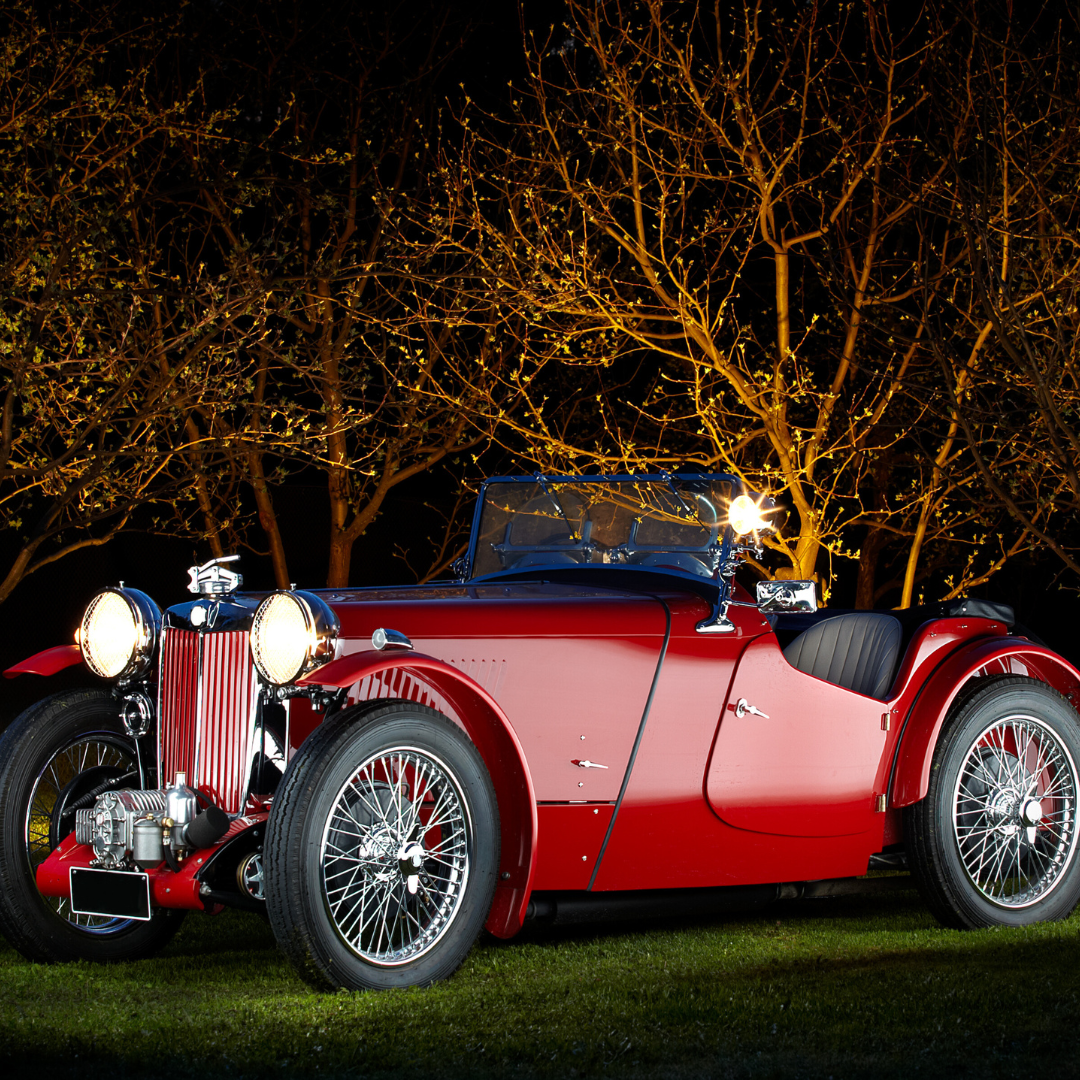
Classic cars captivate enthusiasts and collectors alike, blending beauty, history, and engineering precision. The enduring popularity of classic cars stems from their ability to evoke nostalgia, offering a tangible connection to the past and the joy of driving a piece of history. Each model tells a story, reflecting the design and technological innovations of its time, which many find fascinating.
For many, owning a classic car is not just about transportation; it represents a lifestyle choice steeped in tradition and passion. The thrill of restoration and the camaraderie within the classic car community contribute to the joy of ownership. As these vehicles age, their rarity increases, enhancing their appeal to collectors and investors.
Moreover, classic cars often embody a sense of freedom and individuality that modern vehicles may lack. The unique designs and mechanical simplicity allow for greater personal expression, making each classic car a distinct reflection of its owner’s personality. The allure of classic cars continues to thrive, driven by the blend of historical significance, community connection, and personal enjoyment.
The Allure of Classic Cars
Classic cars captivate enthusiasts with their unique blend of design, nostalgia, and rarity. Each vehicle tells a story, reflecting its era and capturing the imagination of collectors and casual fans alike.
Design and Beauty
The aesthetics of classic cars often eclipse modern vehicles. They are regarded as works of art, showcasing the artistry of automotive design. Curves, chrome accents, and distinctive silhouettes create a striking visual appeal.
Models like the 1961 Jaguar E-Type and the 1957 Chevrolet Bel Air exemplify era-specific styles that continue to inspire admiration. The craftsmanship involved in their production is often unparalleled, employing techniques and details rarely seen in contemporary cars.
This attention to design results in a timeless beauty that resonates with many, making these vehicles far more than mere modes of transport.
Nostalgia and History
Classic cars evoke a profound sense of nostalgia. They connect individuals to personal memories and broader historical contexts. Many remember the first car they drove or family road trips taken in a vintage automobile.
These vehicles represent significant cultural icons from their time, often linked to pivotal events or lifestyle shifts. They serve as a reminder of the technological innovations of their era and the craftsmanship that defines automotive history. Enthusiasts often share stories about these cars, preserving the memories and emotions associated with them.
Exclusivity and Rarity
The exclusivity of classic cars adds to their allure. Limited production numbers and unique features ensure that many models are rare, making them sought-after by collectors. Brands like Ferrari and Aston Martin produced vehicles that are not just cars but symbols of prestige.
Owning a classic car often signifies membership in an elite group. The rarity enhances their investment value, fostering a thriving market for collectors. Many popular classic cars appreciate over time, making them not only a hobby but also a financial opportunity for enthusiasts.
Ownership Experiences
Classic car ownership provides unparalleled experiences that blend nostalgia, community, and value. Enthusiasts appreciate the driving dynamics, simplicity of design, and opportunities for social interaction through clubs and shows.
Driving Experience and Simplicity
The driving experience of classic cars is often described as pure and engaging. Many classic models feature straightforward mechanical systems, allowing for easier repairs and maintenance.
(Key attributes of the driving experience include:)
- Engagement: Drivers feel more connected to the vehicle.
- Simplicity: Fewer complex electronics can enhance reliability.
- Joy: The sound and feel of a classic engine create a unique driving pleasure.
This simplicity can also make for a more enjoyable and relaxed driving experience. Many enthusiasts appreciate the sensation of handling these vintage machines on open roads.
Car Shows and Communities
Car shows and clubs are vital components of the classic car culture. They provide social platforms where enthusiasts can share their passion.
(Features of car shows and communities include:)
- Connection: Meet like-minded individuals who share similar interests.
- Knowledge Sharing: Owners can learn from each other about restoration, maintenance, and history.
- Display: Shows allow owners to showcase their vehicles and admire others’ work.
Participation in these events fosters a sense of belonging and cultivates friendships that transcend geographical boundaries. Classic car clubs often organise events to facilitate these gatherings.
Investment and Value
Classic cars are often seen as investments that appreciate over time. Certain models, particularly rare or iconic ones, can command impressive prices.
(Investment-related factors include:)
- Market Demand: Interest in classic cars remains strong among collectors.
- Nostalgia: Many buyers are motivated by emotional connections to specific models.
- Restoration Potential: Well-maintained classics may realise substantial returns at auctions.
Investing in classic cars not only offers financial potential but also provides pride of ownership. Vehicles can be acquired through various channels, including classic cars for sale listings, auctions, or enthusiast networks.
Comparing Eras: Past Versus Present
The landscape of automotive design and ownership has changed significantly over the decades. Classic cars stand out for their craftsmanship and distinctive engineering, while modern vehicles often prioritise technology and efficiency. This section explores these differences through the lens of technological evolution and cultural shifts.
Technological Evolution
Classic cars are celebrated for their craftsmanship. Many models feature hand-finished details and simpler mechanical systems. This often results in easier maintenance and a more tactile driving experience.
In contrast, modern cars utilise advanced engineering techniques and computer-assisted design. They often come equipped with innovative technology, such as adaptive cruise control, infotainment systems, and fuel efficiency measures.
This evolution means that while driving a classic car can evoke nostalgia, modern cars offer safety and convenience that appeal to a broader audience.
Cultural Shifts in Car Ownership
Ownership of classic cars often represents individualism. Enthusiasts cherish the unique heritage and emotional connection they have with these vehicles. The community of classic car owners fosters a sense of belonging, centred around an appreciation for design and history.
Modern car ownership trends tend towards practicality. Many drivers prioritise efficiency, mileage, and cutting-edge technology. Urbanisation has led to increased interest in compact and electric vehicles, reflecting changing attitudes towards mobility.
This shift shapes not only individual preferences but also the automotive industry’s focus, illustrating differing motivations between past and present car buyers.