
Most people look at a used car after it’s been running for twenty minutes. You shouldn’t. A cold start, engine off for several hours, can expose a multitude of sins a warm engine conceals. Turn the key, listen, then decide before you even leave the lot. Ticking, rattling in the first thirty seconds may signal low oil pressure or worn lifters. Blue or white smoke from the exhaust on startup generally means oil burning or coolant intrusion, both of which are horrible wallet-killing problems that conveniently disappear when an engine warms to operating temperature. If a seller won’t give you the chance to catch a cold start, take that as a warning in itself.
Read the fluid, not just the dipstick
Dropping by to see how much oil there is in the engine won’t tell you much at all. You can place a drop of the stuff on your finger and rub it between thumb and index finger to get a sense of quality – super slippery is excellent, super gritty and abrasive is not – but you won’t be any wiser about how many kilometers the oil has been there for, or whether someone’s been topping it up with the wrong stuff that does more harm than good.
The level of transmission fluid in an automatic isn’t critical, but the condition is. Pull the dipstick and check for anything that smells burned, as well as the level. Low levels could be due to a leak caused by wear or due to lack of servicing on the unit.
To check your coolant level, all you have to do is take a look at the tank assembly and ensure the level doesn’t seem to be dropping. Give the radiator or overflow jug a shake if you have one – the coolant should be low enough in the radiator that you can see and feel the liquid.
Check the level and condition of your power steering fluid, your brake fluid, your steering and suspension components, and your windshield washer fluid, while you’re at it. Everything should be in good supply and not full of dirt, grit, or debris, which is what you really risk finding in the fluids of a used vehicle that hasn’t been cared for.
The transmission test nobody does properly
A transmission problem can be one of the costliest repairs you can have. Take the car on a test drive, and put the transmission through a workout. Don’t just drive in a straight line and back. Find a turn where you have to decelerate, then accelerate again. You’re looking for a hesitation when the transmission downshifts, any “hunting” for gears when you’re at highway speed, or any shudder as you accelerate from a stop.
By the way, automatic transmissions don’t usually get better. They usually get worse. So if it feels a little weird on the test drive, have a mechanic look at it before you walk away.
Frame and body: what the paint is hiding
How can you tell whether a vehicle has received structural repairs that didn’t show up in the history report? Stand at each corner and rifle down the side panels. Open all the doors, the hood, and the trunk/bed, and check the gaps between every panel and the adjacent body section. Those gaps should be mostly even. Where they’re not, somebody has been working with welding equipment and body filler.
Mismatched paint shade is another signal, especially in bright sunlight. If one door or a quarter panel is a slightly different tone than the others, that’s because it has been repainted to cover damage.
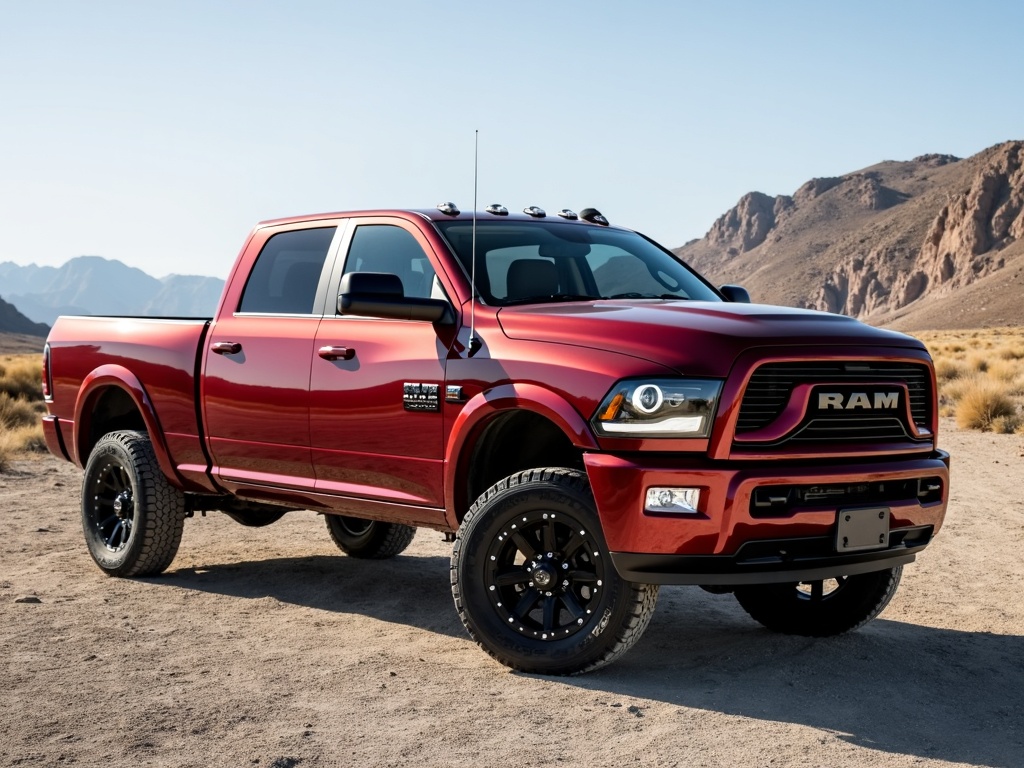
If your primary truck-use case is occasional hauling, then something like a mid-size Chevrolet Colorado will save you money. Their frames, engines, transmissions, and drivetrains are smaller and lighter. Pre-owned RAM Trucks and other full-size trucks also come with heavy-gauge steel frames and higher-rated components meant to endure the mechanical stresses of towing for years, so if long-term durability is your yardstick, give them a look.
Use the tools the seller isn’t expecting
You can write the check, but first spend 20 bucks on an OBD-II scanner, plug it into the port hiding under the driver’s side of the dash, read the fault codes the vehicle’s computer is throwing — there are typically a few, even if the check engine light isn’t on — and Google them. Many auto parts suppliers will read your codes for free if you ask nice. A clean read doesn’t mean there’s nothing wrong with the car, but if there are a host of stored codes the current owner hasn’t mentioned, that’s a conversation we suggest having.
Then you can write the check. Or, better yet, pay a mechanic who hasn’t yet been charmed by the seller $100 to $150 to provide a pre-purchase inspection. A shop that works on that make regularly will be best equipped to know what to look for. A PPI has a near guaranteed return on investment — either it lets you know the car is clean, or it reveals the $3,000 fix that makes this vehicle a $3,000 deal.
Treat the inspection as risk mitigation, not box-checking
Those who suffer from a bad deal on a preowned car are seldom the buyers who waived an inspection. They are the buyers who skimmed the inspection and didn’t even know it. New tire tread and a 10-minute test drive won’t reveal red fluid on the oil cap, fresh undercoating, and a transmission that will quit after you’ve driven it home. Details matter, especially for pre-purchase inspection checklists. Stick to the routine. Start cold. Bring a scanner. And get the opinion of someone who gets paid to be paranoid.