
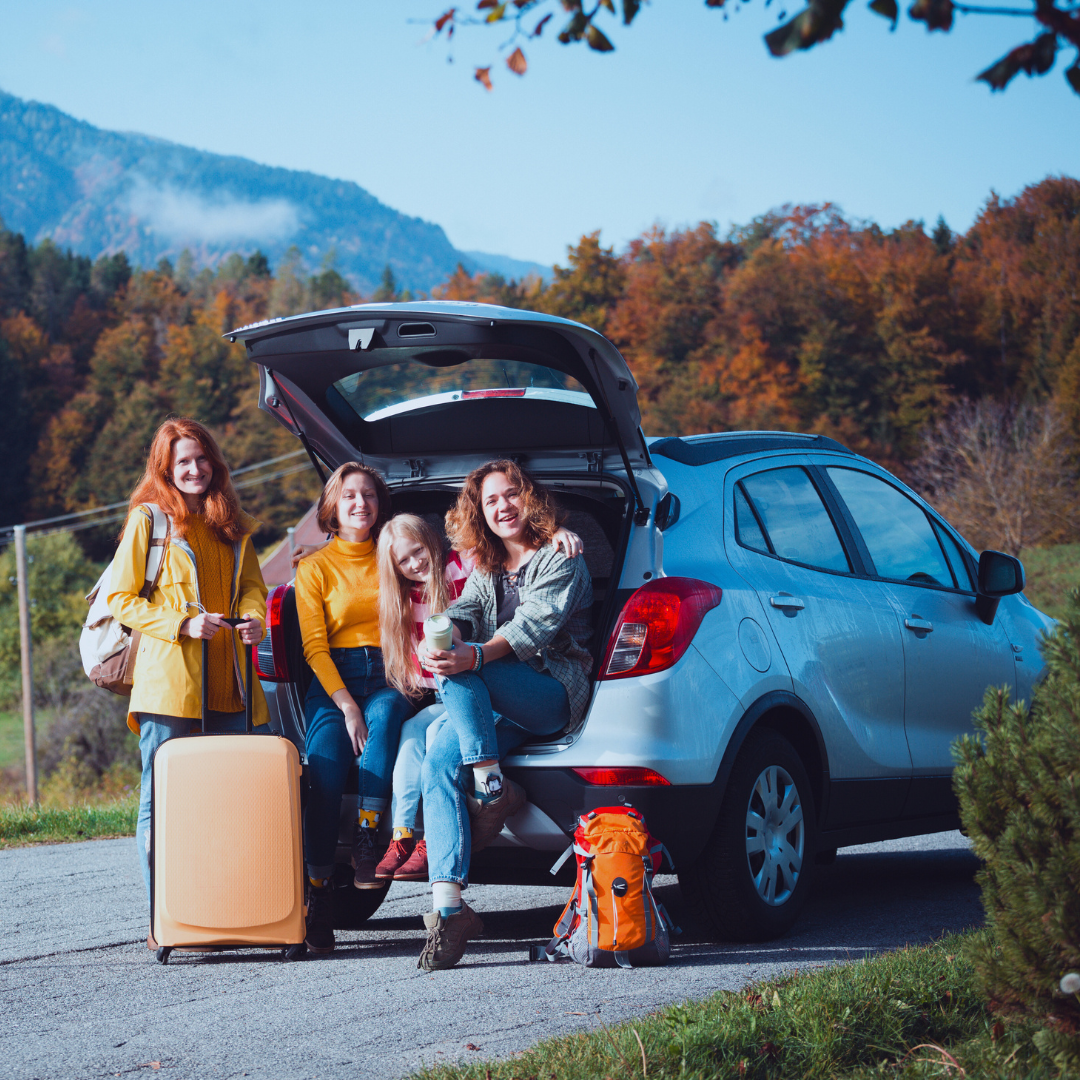
Road trips have played a crucial role in shaping the legacy of motoring by transforming cars from mere machines into symbols of freedom and exploration. They encouraged innovations in vehicle design, road infrastructure, and travel culture, making motoring more accessible and appealing to a wider audience.
By fostering a spirit of adventure and pushing technological boundaries, road trips directly influenced the evolution and cultural significance of the automobile. This shift helped define how people perceive and use cars today, beyond simple transportation.
The stories and experiences gained from road trips continue to inspire automotive developments and fuel a lasting passion for driving. Understanding this relationship explains why the car remains an enduring icon of personal mobility and independence.
The Role of Road Trips in Shaping Motoring Heritage
Road trips have played a critical role in defining how motoring evolved culturally and socially. The tradition started early in the history of automobiles and developed alongside specific highways, influencing the American identity and the car industry.
Origins of the Road Trip Tradition
The road trip tradition began in the early 20th century as cars became more affordable and reliable. The Ford Model T, introduced in 1908, made personal motoring accessible to the middle class. Early motorists sought adventure and freedom beyond city streets, leading to the first long-distance leisure drives.
Motor clubs and motorist associations also encouraged touring by compiling maps and guides. These trips helped manufacturers improve vehicle durability and comfort based on real-world conditions. Road trips quickly became a symbol of independence and exploration in American culture.
Route 66 and Iconic Highways
Route 66, established in 1926, is the most famous example of how specific highways shaped the road trip legacy. Stretching from Chicago to Los Angeles, it connected rural towns to urban centres, boosting local economies.
This highway became a cultural icon due to its tireless association with freedom and mobility. Motels, diners, and gas stations along the route catered to travellers, creating a distinct roadside culture. Route 66 also inspired songs, books, and movies, reinforcing its significance in American motoring heritage.
The American Relationship with the Open Road
For Americans, the open road symbolises opportunity and escape. Unlike many countries with dense public transport, car ownership grew as a necessity and a lifestyle choice.
The road trip offered a way to experience the vastness of the country and escape urban environments. It has influenced car design, pushing manufacturers to prioritise comfort, range, and reliability. This relationship continues to define how Americans perceive both the car and travel itself.
| Key Aspects | Impact on Motoring |
| Early road trips | Encouraged vehicle innovation and motor tourism |
| Route 66 | Created a cultural landmark and roadside economy |
| American open road view | Shaped car culture and influenced automotive design |
The Evolution of the Family Car and Travel Experiences
The transformation of the family car shaped how people travelled and interacted with the open road. Changes in vehicle design, consumer preferences, cultural trends, and global events all contributed to evolving travel experiences and motoring habits.
Rise of the Family Car
The rise of the family car began in the post-World War II era, with manufacturers like Ford and Chrysler leading production. Affordable models such as the Ford Popular and Chrysler’s Windsor catered to growing middle-class families wanting reliable transport for daily use and travel.
Family cars emphasised space, comfort, and safety, making longer trips more accessible. The station wagon and sedan became popular for their versatility. Mass production techniques reduced costs, helping cars become household staples rather than luxury items.
Changing Motoring Preferences through the Decades
In the 1950s and 60s, style and power influenced family car choices, reflecting social optimism. By the 1970s, economic factors and fuel crises shifted demand towards efficiency and smaller vehicles, prompting manufacturers to innovate fuel-saving technologies.
The 1980s and 90s saw the SUV gain popularity for its perceived safety and space, shifting family travel preferences towards versatility and adventure. Today, consumer interest leans toward hybrid and electric models, combining efficiency with environmental awareness.
Automobile Travel and Cultural Shifts
Automobile travel influenced leisure and holiday culture, enabling families to explore regions beyond fixed rail routes. Road trips became tied to freedom and personal discovery, affecting tourism industries and infrastructure development.
Motoring culture encouraged roadside diners, motels, and service stations, which supported longer journeys. These experiences shaped family bonds and created shared memories tied to specific cars and routes.
Pandemics and the Revival of Road Travel
The recent pandemic accelerated the return to road travel as people avoided crowded public transport and air travel. Family cars offered control, safety, and flexibility, making road trips a preferred option for holidays.
Manufacturers noticed increased demand for vehicles suited to longer drives and outdoor activities. The pandemic also spurred innovations in in-car technology and hygiene features, adapting cars to new traveller concerns.
Roadside Culture and Supporting Infrastructure
The rise of motoring created a unique roadside culture shaped by the expansion of services catering to travellers. Essential facilities like fuel stations, eateries, lodging, and media turned roads into hubs of activity, influencing how journeys were planned and experienced.
Growth of Gas Stations and Roadside Services
Gas stations became crucial in supporting long-distance travel. Early service stations, often family-run, evolved into nationally recognised chains by the mid-20th century, providing reliable access to fuel.
They also offered mechanical repairs, restrooms, and maps, making stops more than just refuelling points. The introduction of self-service pumps and 24-hour stations reflected changing consumer expectations for convenience and speed.
These facilities often marked the start of small commercial clusters near highways. Their strategic locations helped sustain local economies and shaped travel routes.
The Influence of Motels and Restaurants
Motels emerged as affordable, accessible lodging tailored for motorists. They replaced boarding houses and hotels located only in city centres, providing overnight rest near highways.
Restaurants specifically targeted travellers with menus designed for quick service and robust meals. Many featured ample parking and attractively visible signage to draw passing drivers.
The combination of motels and roadside eateries helped shape the rhythms of road trips, encouraging families and long-haul drivers to break journeys comfortably and efficiently.
Fast Food and Motoring Convenience
The rise of fast food chains is linked closely to expanding road networks. They provided consistent, quick meals suitable for people on the move.
Popular chains introduced drive-thru windows and standardised menus, catering directly to motorists’ needs. This innovation reduced stop duration and maximised travel time.
Fast food outlets are often located near petrol stations or motels, creating integrated service points. This boosted customer convenience and widened the road trip experience beyond mere transportation.
The Impact of Radio on Road Trips
Radio played a vital role in enhancing the motoring experience by providing entertainment and information. Drivers could listen to music, news, and travel updates while on the road.
AM and later FM stations adjusted programming to cater to motorists, including weather forecasts and traffic reports. This real-time information helped with navigational choices and improved safety.
Radio also fostered a shared cultural experience, connecting distant communities through popular shows and music, making road travel feel less isolated.