
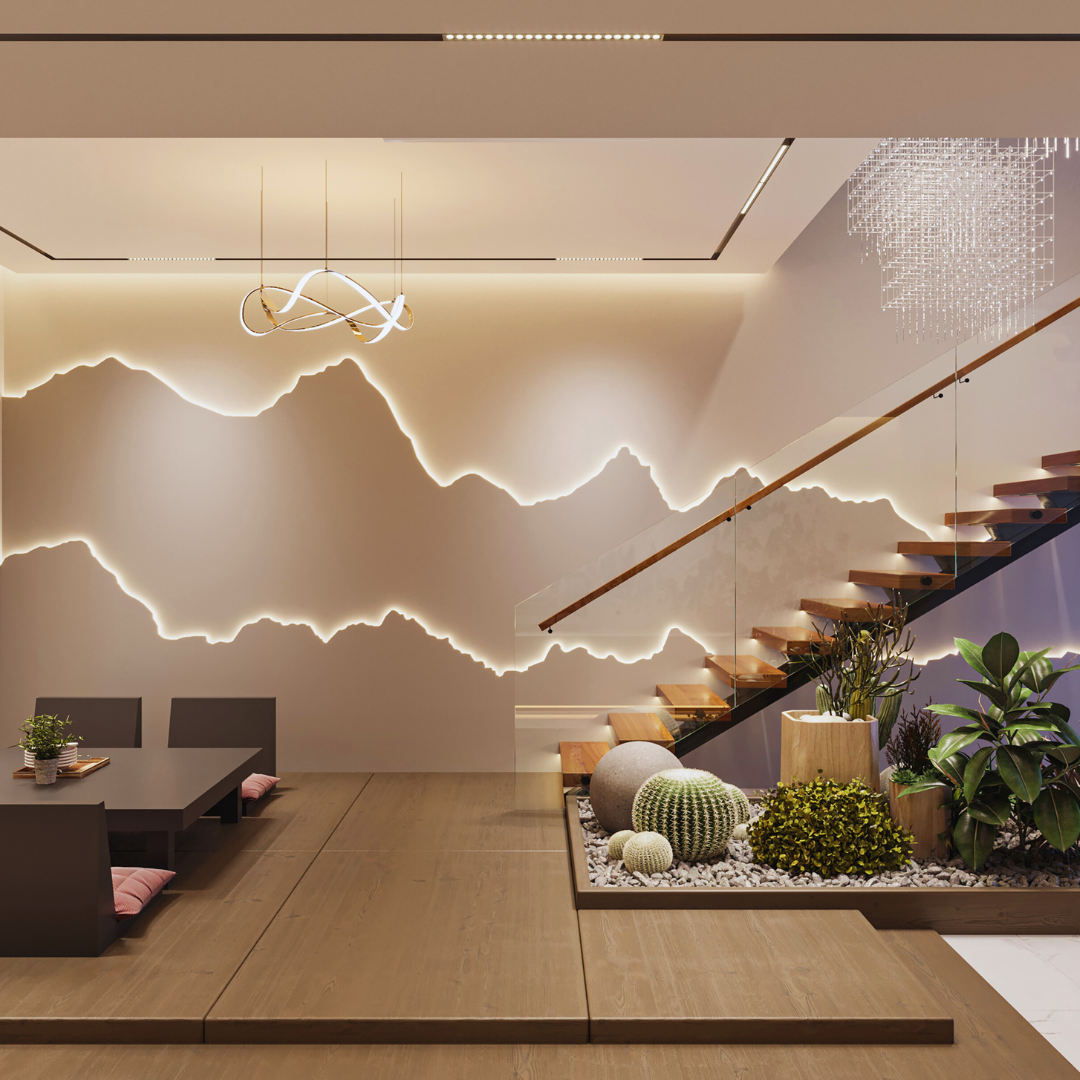
Lighting upgrades offer a practical way to enhance both safety and style in any space. Improved lighting can reduce accidents by increasing visibility, while also creating an inviting atmosphere.
Modern lighting solutions balance functionality with aesthetic appeal, making them a smart choice for upgrading homes and businesses. Better illumination helps people navigate spaces more easily and can highlight architectural features or décor.
By investing in lighting upgrades, individuals can simultaneously improve security and refresh the look of their environment. This combination makes lighting a valuable element in design and safety planning.
How Lighting Upgrades Enhance Safety
Upgrading lighting systems directly affects safety by reducing accidents and deterring crime. Implementing specific technologies and strategically placing lighting fixtures improves visibility in vulnerable areas. These improvements ensure safer movement and security around properties.
The Role of Security Lighting
Security lighting is essential for preventing criminal activity. Well-lit areas deter intruders by eliminating dark spots where they might hide. Upgraded lighting fixtures, such as LED floodlights, provide bright, consistent illumination, enhancing surveillance camera effectiveness.
Proper security lighting covers entry points, pathways, and outdoor spaces. Installing timers or sensors ensures lights activate when needed, optimising energy use without compromising safety. Quality lighting installation also reduces maintenance issues, sustaining reliable protection over time.
Motion Sensors for Accident Prevention
Motion sensors add an active safety layer by detecting movement and automatically turning on lights. This immediate response alerts residents to the unexpected presence and prevents falls or collisions in low-light conditions.
Motion-activated lighting suits driveways, gardens, and entrances. Sensors positioned to cover critical zones help avoid unnecessary energy consumption, as lights remain off when areas are unoccupied. Integrating motion sensors with upgraded lighting fixtures creates efficient, responsive safety systems.
Proper Lighting in Stairways and High-Traffic Areas
Stairways and corridors require bright, even lighting to reduce trip hazards. Upgraded lighting installation focuses on eliminating shadows and glare, improving depth perception and identifying obstacles clearly.
Using LED fixtures with adjustable brightness grants control over lighting levels to suit different times and needs. Consistent illumination in hallways and busy zones ensures safer navigation and prevents accidents, especially during night hours or in poorly lit buildings.
Achieving Style and Atmosphere with Modern Lighting
Modern lighting can transform a space by blending both function and elegance. Effective use of lighting solutions highlights architectural features, adds depth, and creates a desired mood. Careful selection of fixtures and colour temperature plays a crucial role in setting the atmosphere.
Accent Lighting for Visual Appeal
Accent lighting directs attention to specific areas or objects, adding layers to the overall lighting scheme. It is often used to highlight artworks, textured walls, or architectural details. By positioning directional LED spotlights or wall-mounted fixtures strategically, a room gains visual interest without overwhelming the senses.
Using dimmable lighting fixtures allows control over brightness, enhancing flexibility in adjusting ambience. Contrast created by accent lighting increases depth perception and guides movement within a space. This lighting solution also supports safety by illuminating walkways and potentially hazardous areas subtly but effectively.
Lighting Design Trends
Current lighting design trends focus on minimalist fixtures and integrated systems. Slim LED panels, recessed downlights, and suspended lights with clean lines are popular for maintaining a sleek aesthetic. Smart lighting controls, such as app-operated dimmers or motion sensors, contribute both to convenience and energy efficiency.
Materials like brushed metal, frosted glass, and matte finishes dominate modern lighting fixtures, offering a sophisticated and timeless look. Layered lighting, combining ambient, task, and accent elements, is encouraged to create adaptable environments suitable for different activities and times of day.
Choosing the Right Colour Temperature
Colour temperature significantly influences the atmosphere and functionality of a space. Warm light (2700K-3000K) produces a cosy, inviting environment, suitable for living areas and bedrooms. Cooler temperatures (3500K-4100K) enhance alertness and clarity, making them ideal for kitchens and workspaces.
Modern lighting solutions often include tunable white LEDs that adjust colour temperature to suit different times or needs. Selecting the appropriate colour temperature can reduce eye strain and boost comfort. It is important to match lighting with the room’s purpose and décor to maintain harmony throughout the space.
Smart Lighting Systems and Advanced Controls
Smart lighting systems combine modern lighting technology with automation to optimise both safety and style. They offer precise control over lighting conditions, often integrating motion sensors and programmable features to enhance user experience and efficiency.
Benefits of Smart Lighting for Safety
Smart lighting improves safety by activating lights only when needed. Motion sensors detect movement and trigger lights, reducing dark areas where accidents or intrusions may occur.
These systems can adjust brightness based on ambient light, preventing overly bright or dim environments that might impair vision. In outdoor settings, smart lighting enhances visibility on pathways and entryways, deterring trespassers.
Additionally, smart lighting can be programmed to simulate occupancy when a property is empty. This feature provides a layer of security by misleading potential intruders.
Scheduling and Timers for Automated Control
Timers and scheduling functions allow lights to turn on and off automatically according to a user’s routine. This automation reduces energy waste and ensures consistent illumination during critical periods, such as evening hours.
Users can set specific schedules through smartphone apps or control hubs, customising lighting patterns for different days or events. Timers are crucial for maintaining safety in both residential and commercial environments without manual intervention.
Smart lighting timers also integrate with other home systems, enabling coordinated control over heating, security, and lighting. This interconnected approach adds convenience and improves overall functionality.
LED Upgrades for Energy Efficiency and Cost Savings
LED lighting upgrades offer significant improvements in both energy efficiency and cost savings. They reduce electricity consumption and lower long-term expenses while meeting modern energy efficiency standards. These benefits apply to homes and commercial properties alike.
Switching to LED Bulbs
Switching to LED bulbs is a straightforward way to improve energy efficiency. LED bulbs use up to 75% less electricity than incandescent or halogen bulbs. They also last significantly longer, often up to 25,000 hours, which reduces replacement frequency and costs.
LED bulbs produce less heat, contributing to lower cooling costs in warmer months. They are compatible with most fixtures, allowing easy installation without rewiring. Electricians may recommend specific types for optimal performance in certain settings.
Reducing Energy Bills with LED Technology
LED lighting technology directly impacts energy bills by lowering power consumption. Homes and businesses can see reductions of 20-50% in lighting costs, depending on the original lighting system. The initial investment in LEDs is typically recovered within 1-3 years through these savings.
Energy efficiency standards often incentivise the use of LEDs through rebates or reduced tariffs. These incentives increase the return on investment. Additionally, the lower heat output can reduce HVAC load, indirectly cutting energy bills.
Commercial Lighting Upgrades
Commercial lighting upgrades with LED solutions focus on broad energy savings and improved safety. LED fixtures provide consistent, bright light that enhances workplace visibility, reducing accident risks. They are often integrated with smart controls for further energy optimisation.
Businesses meet energy efficiency standards more easily with LED lighting, avoiding penalties or compliance costs. Electricians design these upgrades to align with operational hours and usage patterns, maximising savings. Maintenance costs also drop due to LEDs’ longer lifespan and durability compared to traditional lighting.