
Identifying early signs of brake wear is essential for vehicle safety and maintenance. Common indicators include unusual noises like squealing or grinding, a longer stopping distance, and a spongy brake pedal feel. Recognising these signs early can prevent costly repairs and improve driving safety.
Drivers should regularly check their brakes for visible wear, such as thinning brake pads or grooves on rotors. Paying attention to changes in braking performance helps catch issues before they become serious faults.
Understanding the Braking System
The braking system consists of several critical parts working together to stop a vehicle safely. Identifying how these parts interact and degrade over time helps recognise brake wear early. Regular inspections and care prevent costly repairs and ensure reliable performance.
Key Brake Components
The main brake components include brake pads, rotors (or discs), callipers, and brake fluid. Brake pads press against rotors to create the friction needed for stopping. Callipers hold and control the pads’ movement. Brake fluid transfers force from the brake pedal to the callipers.
Each component has a specific lifespan and wear pattern. Pads wear down faster than rotors. Rotors can become warped or scored, affecting braking efficiency. Brake fluid must be clean and at the correct level to maintain hydraulic pressure.
How Brake Wear Occurs
Brake wear happens due to friction and heat generated during braking. The pads gradually thin as they grind against the rotors. Over time, this reduces their ability to create sufficient friction. Rotors can develop grooves or uneven surfaces from worn pads or debris.
Environmental factors like moisture and dust accelerate wear. Driving habits also affect wear rates; frequent hard braking causes faster deterioration. Poor brake fluid condition can lead to corrosion and reduced hydraulic function, increasing wear on components.
Importance of Regular Brake Maintenance
Regular brake maintenance ensures components remain in good working order and catch wear issues early. This includes inspecting pad thickness, rotor condition, and brake fluid levels. Replacing worn pads promptly prevents rotor damage.
Brake fluid should be changed every 1-2 years to avoid contamination and maintain braking effectiveness. Professional checks help detect leaks or parts needing replacement. Maintaining brakes protects safety and reduces repair costs over time.
Early Warning Signs of Brake Wear
Brake wear often presents through specific noises and dashboard indicators. These signs point to issues with brake pads, rotors, or both, signalling when maintenance is necessary.
Squealing Noise During Braking
A high-pitched squealing noise when braking is a common early warning sign. This sound usually comes from worn brake pads that have reached their indicator wear strips. The strips are designed to create this noise as a signal to replace the pads before damage to the rotors occurs.
Squealing can also result from dust or debris caught between the brake pad and rotor. However, persistent squealing after cleaning or during normal braking indicates the pads need attention. Ignoring this noise risks damaging the rotors, which are more costly to replace.
Grinding Noises Indicating Severe Wear
Grinding noises during braking suggest the brake pads have worn down completely, causing metal components to rub together. This indicates severe brake wear and an urgent need for repair.
Grinding sounds mean the rotors are likely being scored or damaged by the exposed metal of the brake pads. Driving with this condition reduces braking efficiency and can cause further costly damage. The vehicle should be inspected immediately once grinding noises are heard.
Dashboard Brake Warning Light
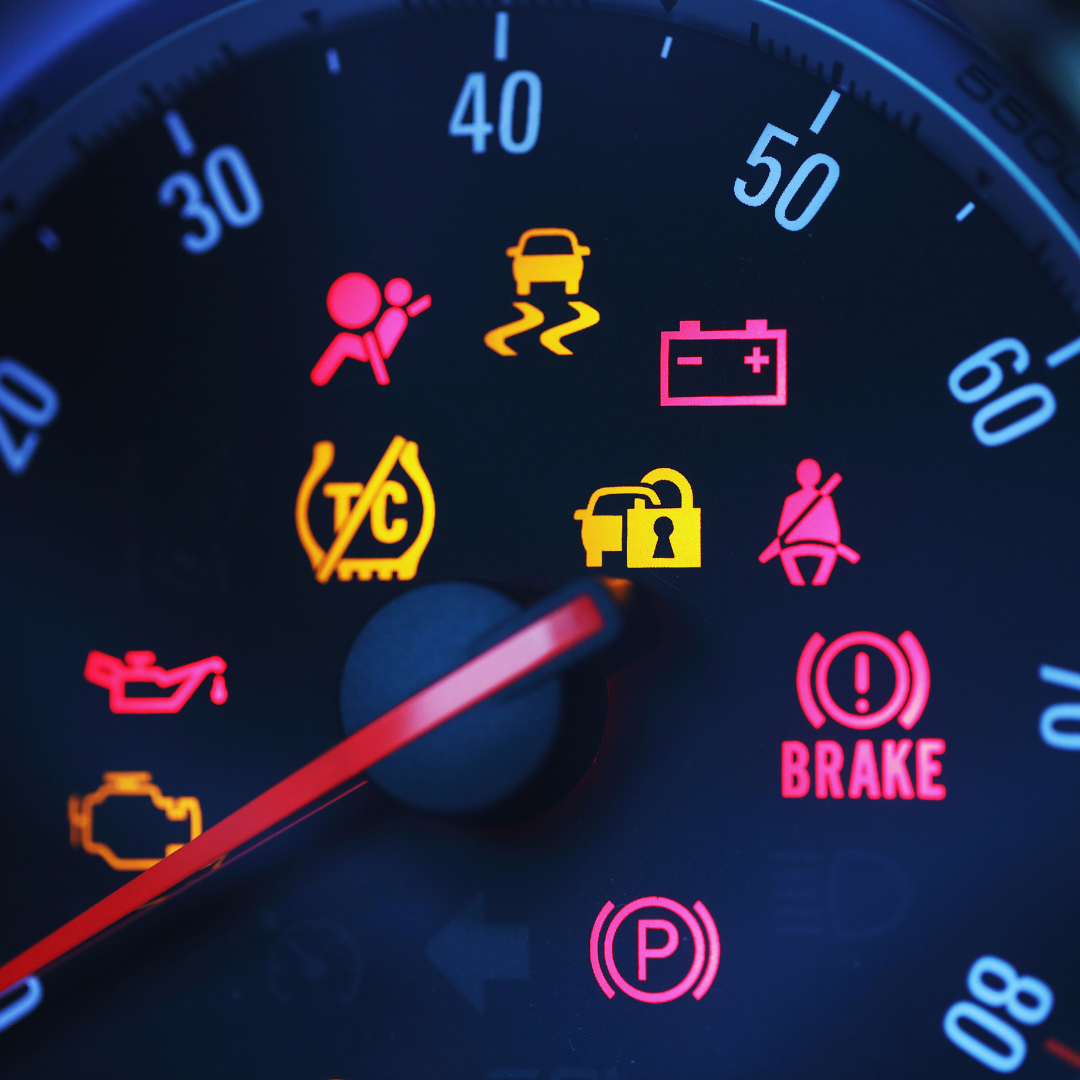
The dashboard brake warning light illuminates for various brake system issues, including worn brake pads or low brake fluid. It is an electronic prompt signalling that attention is required.
If the brake warning light comes on alongside unusual noises or reduced braking performance, it emphasises the need for prompt brake inspection. This light helps drivers identify problems early, preventing potential brake failure or unsafe driving conditions.
Recognising Deteriorating Brake Performance
When brake components begin to wear, several distinct signs emerge that indicate performance is slipping. These include changes in stopping distances, pedal feel, vibrations, and directional control.
Longer Stopping Distances
A key indicator of brake wear is an increase in stopping distances. As brake pads thin, they lose friction efficiency, requiring more pressure and distance to halt the vehicle safely.
Rotor damage or warped rotors can also extend stopping distances by reducing the surface contact between the pads and the rotors. Uneven brake pad wear may cause inconsistent stopping power on each wheel, further lengthening the distance needed to stop.
Regularly testing stopping distances in safe conditions can reveal early signs of brake degradation before it becomes dangerous.
Spongy or Soft Brake Pedal Feel
A brake pedal that feels spongy or soft often signals air trapped in the brake lines or issues like fluid leaks. It can also stem from problems within the master cylinder or worn brake pads failing to engage properly.
Sometimes, a stuck calliper prevents the pads from making full contact with the rotor, causing the pedal to feel less firm. This reduced pedal resistance makes braking less precise and requires prompt inspection.
Checking pedal response regularly helps detect these issues early and avoid sudden brake failure.
Vibrations or Pulsations in the Pedal
Vibrations or pulsations felt through the brake pedal during stopping usually point to rotor issues. Warped rotors create an uneven surface that the brake pads cannot smooth over, causing noticeable shuddering.
Uneven brake pad wear exacerbates this effect by applying uneven pressure across the rotors. A stuck calliper can also cause one side to grip harder, increasing vibration.
Detecting this pulsing early can prevent further rotor damage and maintain smooth, responsive braking.
Vehicle Pulling to One Side
If a vehicle pulls to one side while braking, it typically indicates uneven brake force distribution. This can happen from uneven brake pad wear, a stuck calliper, or issues within the brake lines.
A stuck calliper locks the brake on one wheel, while worn pads on the opposite wheel reduce braking power there. Both conditions create an imbalance, causing the vehicle to veer unexpectedly.
Addressing this symptom promptly preserves control and avoids uneven tyre wear.
What to Do When You Notice Brake Wear
When brake wear is detected, timely action is essential to maintain safety and avoid costly repairs. Understanding how to respond, the value of regular inspections, and the choice between professional servicing and DIY checks can help ensure the braking system remains effective.
Immediate Responses to Warning Signs
If the driver observes squealing, grinding noises, or a spongy brake pedal, they should not delay addressing these issues. Checking the brake fluid level is crucial, as low brake fluid can reduce braking efficiency and indicate a leak or worn brake pads.
The vehicle should be driven cautiously to a safe location or garage. Avoid hard braking and excessive speeds, which increase wear and decrease control. Immediate brake inspection is advised to prevent further damage and ensure the system functions properly.
The Importance of Regular Brake Inspection
Regular brake inspections help identify wear before it becomes severe. A professional brake inspection includes measuring pad thickness, checking discs for damage, and assessing brake fluid quality and level.
Failing to maintain scheduled brake inspections can lead to reduced stopping power, increased stopping distances, and failure of brake components. Checking the brake fluid reservoir regularly for low brake fluid is part of a thorough inspection routine.
Professional Servicing vs DIY Checks
Professional servicing provides an expert assessment of the entire braking system, including pads, discs, brake fluid, and hydraulic components. Technicians can replace worn parts and flush contaminated brake fluid to restore optimal function.
DIY checks can cover brake fluid levels, pedal feel, and visual pad thickness, but they lack detailed tools to measure wear precisely. Regular professional servicing every 12,000-15,000 miles, combined with periodic DIY checks, offers a balance between safety and cost-efficiency.